Keeping What Holds Us
An Island Stewards Reflection — Week of the Solstice
The week of the solstice arrives without settling.
Weather moves back and forth. Forecast models disagree. Neighborhoods and infrastructure on the mainland are already damaged by flooding, while the possibility of snow here hangs unresolved, and the winds of change blow wild and continual as we move toward the end of 2025. There is no clear sign yet of when this pattern will ease or what it will leave behind. We live inside that uncertainty, adjusting day by day, feeling the pressure of change before it fully takes shape.
This, too, is familiar to island life.
For a long time, uncertainty—and the limits that came with it—helped hold this place together. Distance, seasonality, and friction did work that no policy ever spelled out. The ferries ran—or didn’t—and we adjusted. Things slowed when they needed to.
It wasn’t a strategy.
It was latency.
And for a while it has worked.
But we are no longer in a moment where holding still is enough.
Across housing, water, transportation, climate, and civic life, the systems that once absorbed pressure informally are now carrying more than they were designed to hold. More people pass through. More strain shows up in quiet ways. What once protected the islands by default now asks for something more intentional.
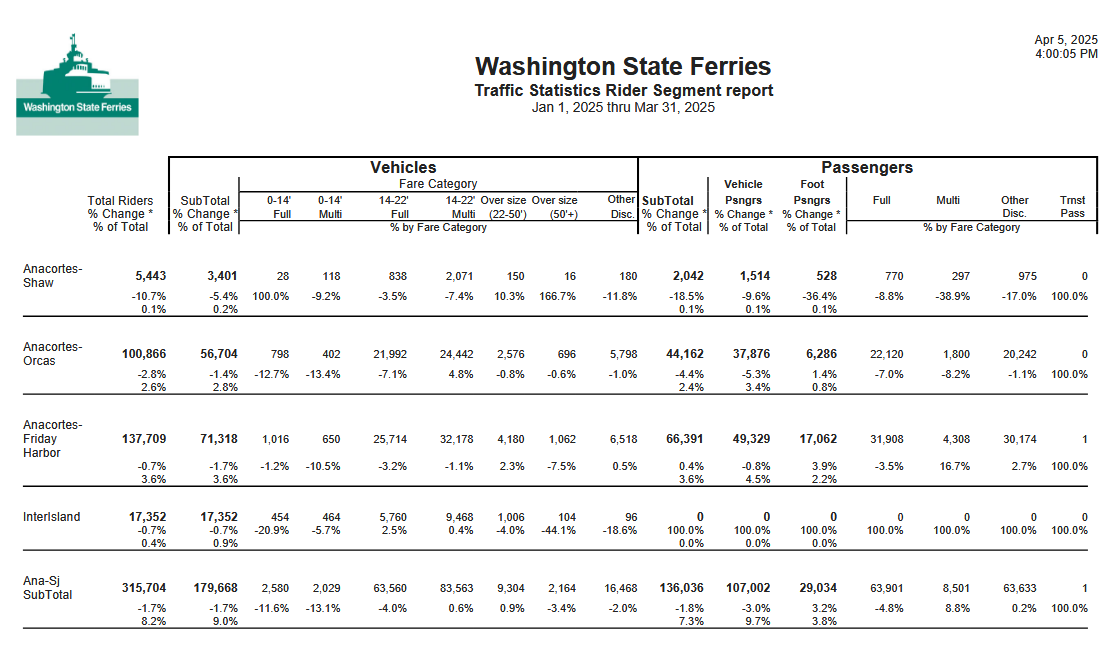
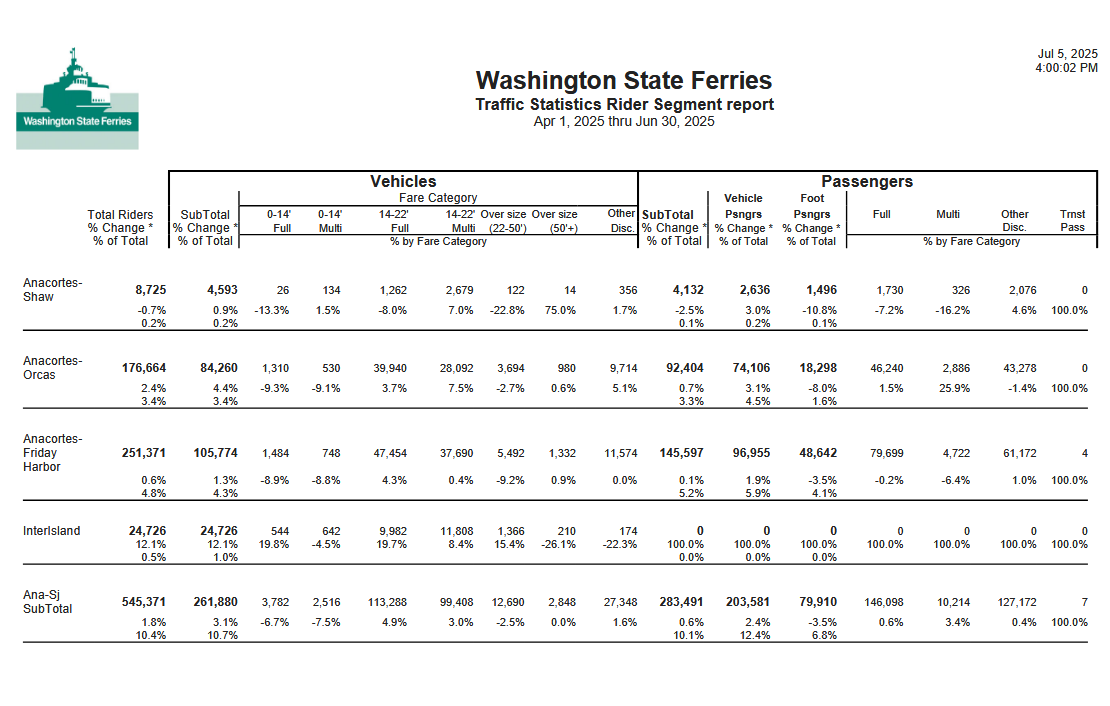
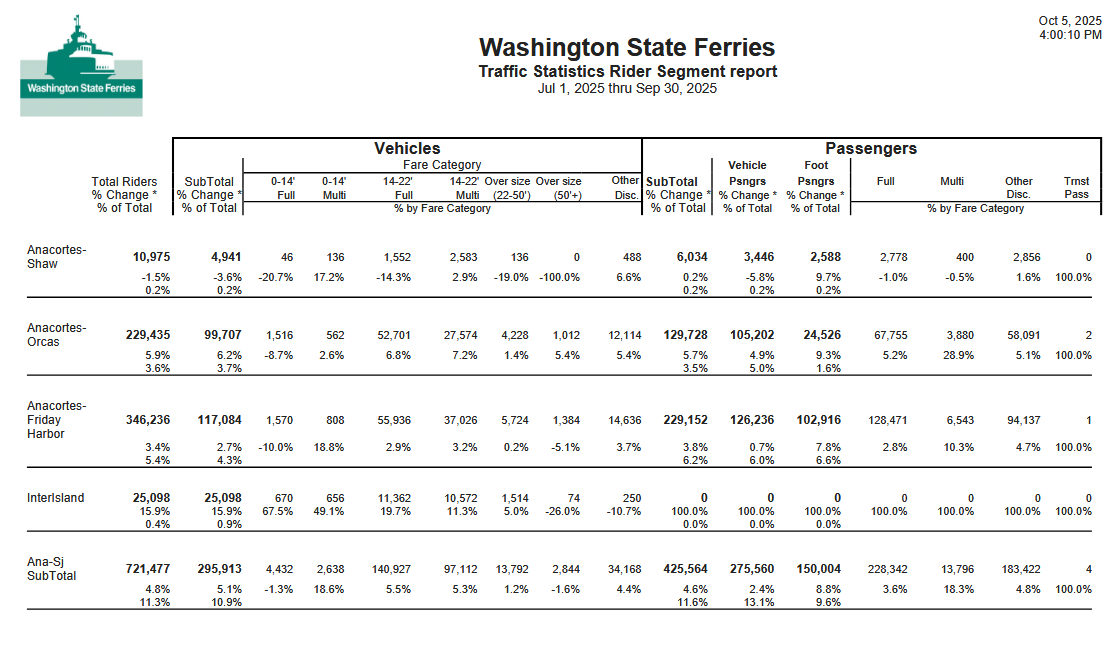
We can see this shift even in small signals. Ferry ridership has returned to pre-pandemic levels (See the current reports below), and on many days exceeds them. But what those numbers represent has changed. Growth here now looks less like settlement and more like oscillation. Amenity migration, remote work, and seasonal presence mean more people move through the islands without fully embedding—arriving without the older expectations of dependence, contribution, or shared pacing. Walk-on passengers have surged. Vacancy has increased. Disconnection itself has quietly become a kind of buffer.
Housing, too, has shifted in meaning. Increasingly, it functions as a financial asset first, and a dwelling second—something held for flexibility, appreciation, or future use rather than lived in continuously. For a time, this also acted as latency. Empty houses absorbed pressure. Distance softened demand. Chance systems held the line.
But relying on vacancy, inconvenience, and incomplete data as our primary way of managing growth is fragile. It asks a great deal of luck, and very little intention.
In small, insulated communities—especially beautiful ones that attract both idealism and retreat—peace is often maintained through avoidance rather than engagement. For a time, that can feel like harmony. But peace without structure can become stagnation. When we rely on hope that things will work themselves out, responsibility quietly recedes. Stewardship asks something different: not withdrawal, but participation; not silence, but presence; not luck, but intention.
What this moment asks for is stewardship.
Stewardship is the act of taking care of something that does not belong to us outright—a place, a system, a shared future—so that it remains viable beyond our own use of it. It implies responsibility without ownership, care without control, and attention sustained over time.
Stewardship is not authority or certainty. It is the practice of listening backward and speaking forward—of carrying understanding across time and translating limits into shared responsibility.
Older generations here didn’t just inherit this place—they built it. The ferries, the homes, the roads, the water systems, and the shared ways of getting by were shaped through hard work, long planning horizons, and an intimate understanding of limits, informed in part by the stewardship practices of the Tribes who cared for these islands long before them. Living here meant making choices that cities didn’t yet have to face and about what could be sustained without breaking the islands fragile systems.
Now, as the world accelerates and nature itself is increasingly commodified as experience, many who carried that work forward quietly wonder whether the lessons they learned still have relevance. Not because those lessons were wrong, but because the future no longer pauses long enough to listen. That uncertainty deserves respect. Their knowledge wasn’t theoretical. It was built, tested, and lived—and it still matters.
Younger generations are inheriting something different: faster systems, tighter margins, and far fewer informal buffers. They are coming of age in a world where decisions compound quickly, consequences travel faster, and pauses are harder to find. They don’t need lectures about how things used to be, nor reminders of what they’ve lost before they’ve had a chance to build.
What they need is context—help understanding why certain limits exist here, how those limits were learned, and which ones reflect hard-earned wisdom rather than habit. They need space to ask what still holds, what needs translation, and how responsibility can be carried forward without simply being copied. Stewardship lives in that exchange, where inheritance becomes participation rather than instruction.
A resilient community is made up of people with very different nervous systems, rhythms, and ways of engaging. Some move comfortably through complexity and change. Others need more time, quieter pacing, or clearer signals to stay regulated and present. Neither is wrong. Both carry useful information.
What stewardship asks, is bravery in both directions.
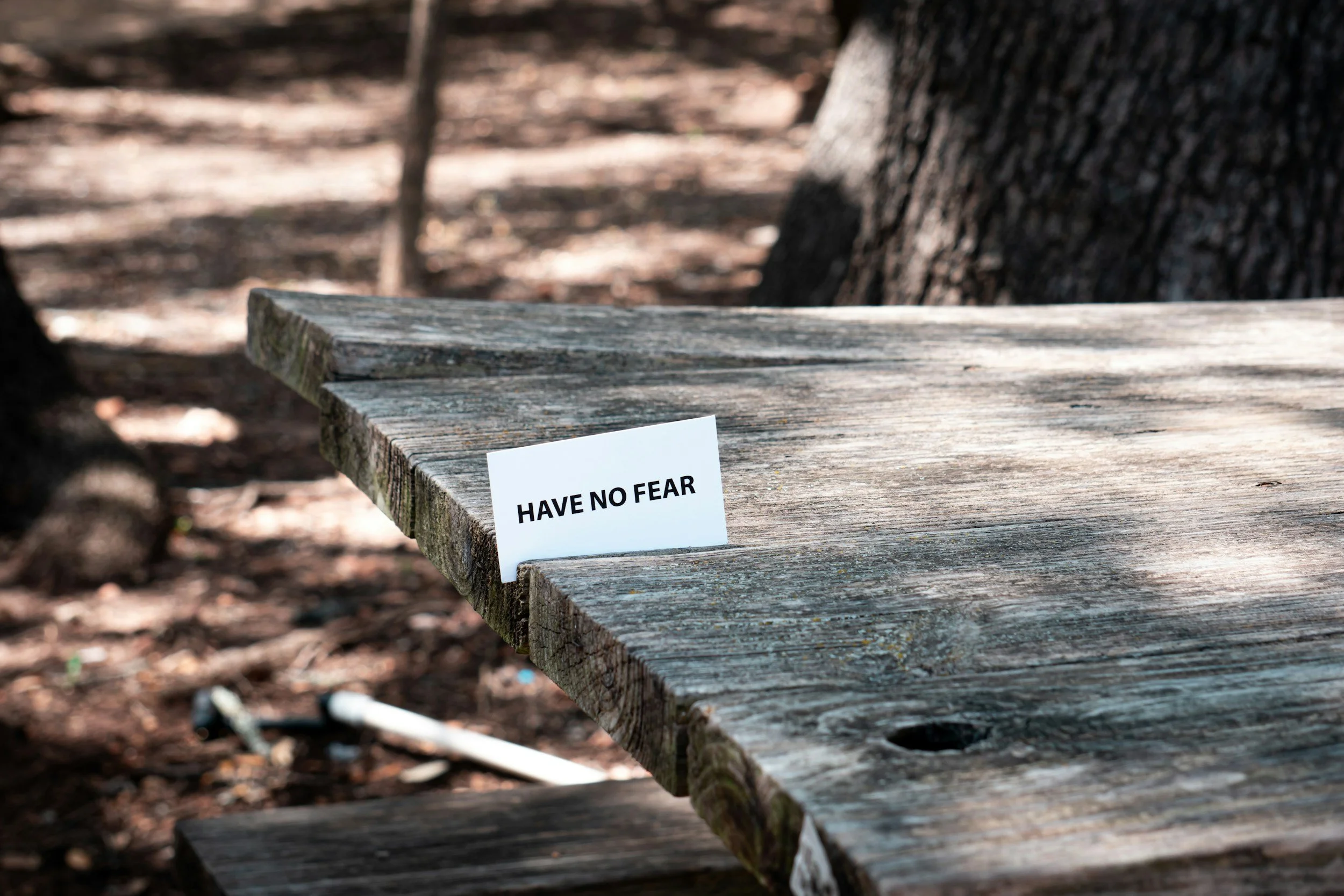
It takes bravery for those who move easily through systems to slow down, tolerate ambiguity, and remain present when progress is uneven or conversations are quieter than expected. It takes bravery to resist the urge to optimize, override, or disengage when things feel inefficient.
It also takes bravery for those who experience the world more intensely to stay in the room—to speak carefully, to risk being misunderstood, and to participate without either disappearing or giving everything at once.
When communities lack shared pacing or shared responsibility for regulation, misunderstanding grows. When they cultivate it, something else becomes possible: learning across difference rather than separation by it.
Stewardship begins there.
Active citizenship, in this moment, doesn’t mean having all the answers. It means staying with complexity. Learning how decisions are made. Asking grounded questions early. Accepting that care—for land, water, and community—often requires patience and restraint rather than speed or certainty.
Island Stewards exists to hold this space together, with no assurance of outcomes or easy solutions, but because caring for this place is our life’s calling—an inheritance of geographic privilege bound to great responsibility.
This spirit carries into our next Ground Truth Table Talk:
Saturday, December 28th @ 3:30 pm
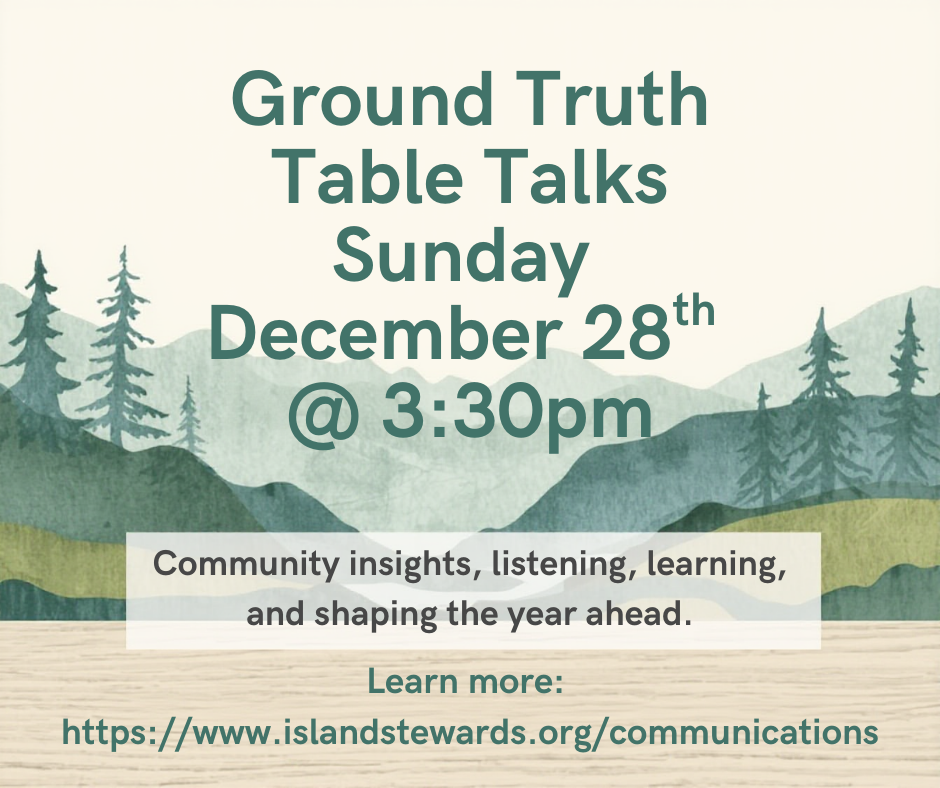
Meeting link available here: https://www.islandstewards.org/communications/gathering-our-bearings-island-stewards-end-of-year-update
These gatherings aren’t presentations or rallies. They are tables—places to compare lived experience with policy realities, to listen across difference, and to practice the kind of stewardship this moment requires. If you’re feeling the tension between care for this place and uncertainty about its future, you are welcome.
The solstice marks a turning—not toward ease, but toward light returning slowly, almost imperceptibly. What we carry through the dark matters. What we tend now shapes what becomes possible later.
Thank you for caring enough to stay with this place.
May the coming weeks bring rest, clarity, and the resolve to carry what matters forward.
Island Stewards
P.S. Some readers have asked to know more about the person writing these reflections. I want to say simply that I am a real person, speaking as carefully as I can for many. I value privacy deeply—not as distance, but as a way to listen more closely. I listen to the plants and trees, to the tides and winds, and to people, especially when what they are saying is not easy to hear.
I believe in setting goals and keeping them. This year marks the second in which my single resolution is to help awaken the Island Stewards—not as an organization, but as a shared responsibility already living among us. My safety, compassion, and kindness have been tested more than most, and I do not say that lightly. What I know, without doubt, is this: we are here together in this moment because we are needed. Not to agree on everything, but to stand together, listen, and carry what matters forward. -Robin :)